How Long Bacteriostatic Water Stays Sterile After the Vial Is Opened
A look at how long bacteriostatic water stays sterile after the vial is opened, what benzyl alcohol does, and how storage and handling affect that window.
Diana Walsh, PharmD, BCPS is a Board-Certified Pharmacotherapy Specialist with a Doctor of Pharmacy from the University of Minnesota and pharmacy residency training at Mayo Clinic.
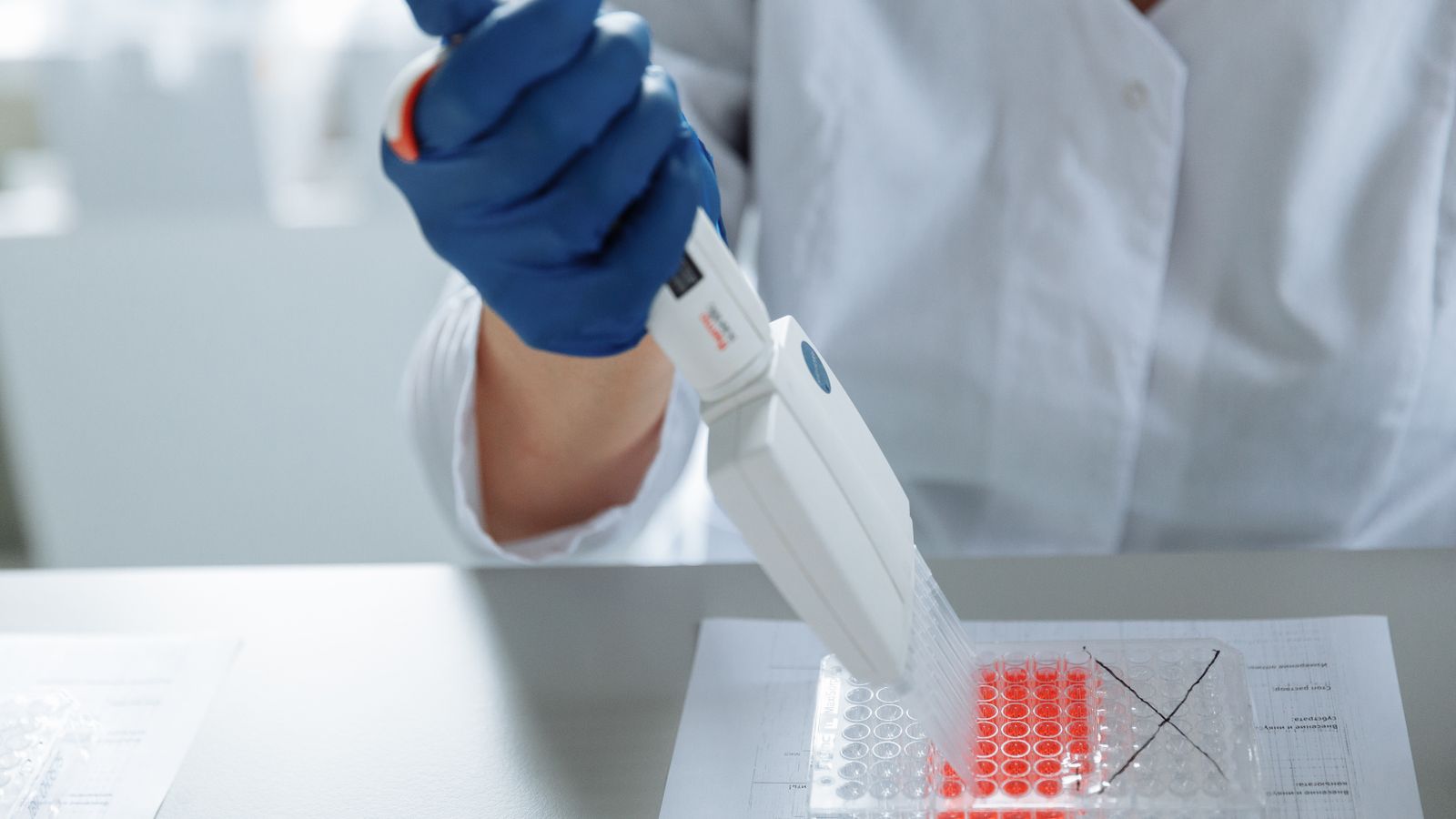
Most bacteriostatic water manufacturers state a window of up to 28 days after first puncture, provided the vial is stored under refrigeration and the septum is handled aseptically each time it is accessed. That figure is a manufacturer specification tied to the preservative in the water, not a guarantee that applies regardless of how the vial is stored or used. Understanding how long bacteriostatic water stays sterile after the vial is opened means understanding what the preservative does, what shortens that window, and how listings communicate it.
Why Bacteriostatic Water Has a Shelf Life at All
Plain sterile water has no antimicrobial property. Once a needle punctures the septum, any water for injection is considered single-use unless a preservative is present to slow microbial growth between uses. Bacteriostatic water contains a small concentration of benzyl alcohol, typically around 0.9%, which is what allows the same vial to be entered multiple times over a period of weeks rather than once.
The 28-day figure that appears on most bacteriostatic water labels comes from the manufacturer’s own stability and preservative-effectiveness testing under specific storage conditions. It is not a universal law of chemistry — it is a tested claim for that product, stored the way the label describes. A listing that repeats “28 days after opening” without qualifying the storage condition is passing along a simplified version of that claim.
What Actually Shortens the Sterility Window
Several handling factors determine whether a vial reaches its full stated window or falls short of it:
- Temperature. Refrigeration (roughly 2-8°C) slows both preservative degradation and microbial growth. A vial left at room temperature for extended periods is working outside the conditions the 28-day figure was tested under.
- Septum handling. Each puncture should use a fresh needle and an alcohol wipe on the septum. Repeated punctures with the same needle, or skipping the wipe step, introduce more opportunity for contamination regardless of what the preservative can handle.
- Number of punctures. The septum is designed to reseal, but every puncture is a small opportunity for airborne or surface contaminants to enter. A vial punctured a handful of times during its window is a different risk profile than one punctured daily.
- Visual condition. Cloudiness, discoloration, or particulate matter are reasons to stop using a vial regardless of how many days remain in the labeled window. The date on the label is a ceiling, not a promise that the vial is fine until it arrives.
Reading a Listing’s Storage Claims
Listings vary in how much of this they disclose. A more complete listing states the preservative concentration, the manufacturer’s stated shelf life after first puncture, and the storage condition that claim assumes. A thinner listing states only “28 days” with no storage qualifier, which leaves the reader to assume refrigeration was implied.
| Listing detail | What it tells you |
|---|---|
| Benzyl alcohol concentration stated (e.g., 0.9%) | Confirms the product is bacteriostatic, not plain sterile water |
| “28 days after first use, refrigerated” | A complete claim: figure plus storage condition |
| “28 days” with no storage condition | Incomplete claim; storage condition is assumed, not stated |
| COA or batch documentation available | Lets you verify preservative content rather than relying on label text alone |
| Vial size options (e.g., 10 mL, 30 mL) | Relevant to how many punctures a vial will see before its window closes |
How Concentration and Volume Relate to Vial Life
Bacteriostatic water itself does not have a “concentration” the way a peptide vial does, but the size of the water vial affects how it is used over its sterility window. A 30 mL vial used to reconstitute several smaller peptide vials over multiple sessions will be punctured more times before its 28-day window closes than a 10 mL vial used for a single reconstitution. More punctures within the same window means more cumulative handling risk, even if the preservative concentration is identical between the two vial sizes.
This is a separate calculation from reconstitution math itself. For example, if a 5 mg peptide vial is reconstituted with 2 mL of bacteriostatic water, the resulting concentration is 5 mg ÷ 2 mL = 2.5 mg/mL. That number describes the peptide solution, not the bacteriostatic water’s remaining sterility — the two figures track different things and shouldn’t be conflated. Readers working through reconstitution ratios sometimes find a calculator like peptcalc.com useful for checking concentration math, separate from tracking how many days a water vial has been open.
Why Sourcing Documentation Matters Here
Because the sterility window is a claim about the preservative and the storage condition, not something visible on inspection, the reliability of that claim rests on the manufacturer’s testing and the supplier’s transparency about it. A supplier that publishes a COA showing benzyl alcohol content, alongside clear storage instructions, is giving a reader more to verify than one that states a shelf-life number with no supporting documentation. HEEZ Research publishes its bacteriostatic water listing with concentration and storage information stated directly, which is the kind of detail worth comparing across any supplier before treating a “28 days” claim as complete on its own.
Tracking an Opened Vial
A simple practice some labs use is writing the first-puncture date directly on the vial label with a permanent marker as soon as it is opened. This removes any ambiguity about whether a vial is on day 10 or day 25 of its window, which matters more the longer a vial sits in a refrigerator between uses. Combined with consistent aseptic technique at each puncture, this kind of tracking is a low-effort way to stay within the manufacturer’s tested conditions rather than guessing.
Summary
The commonly cited 28-day sterility window for bacteriostatic water is a manufacturer specification that assumes refrigerated storage and consistent aseptic handling at each puncture — it is not an automatic guarantee once the vial is opened. Temperature, septum technique, puncture frequency, and visual condition of the liquid all affect whether that window holds in practice. Listings that state the storage condition alongside the shelf-life figure, and that back it with COA documentation, give a more complete picture than a bare “28 days” claim.